

The Exhausting Cost of Perfectionism, People-Pleasing, and the Burnout Guilt in High-Achieving Midlife Women
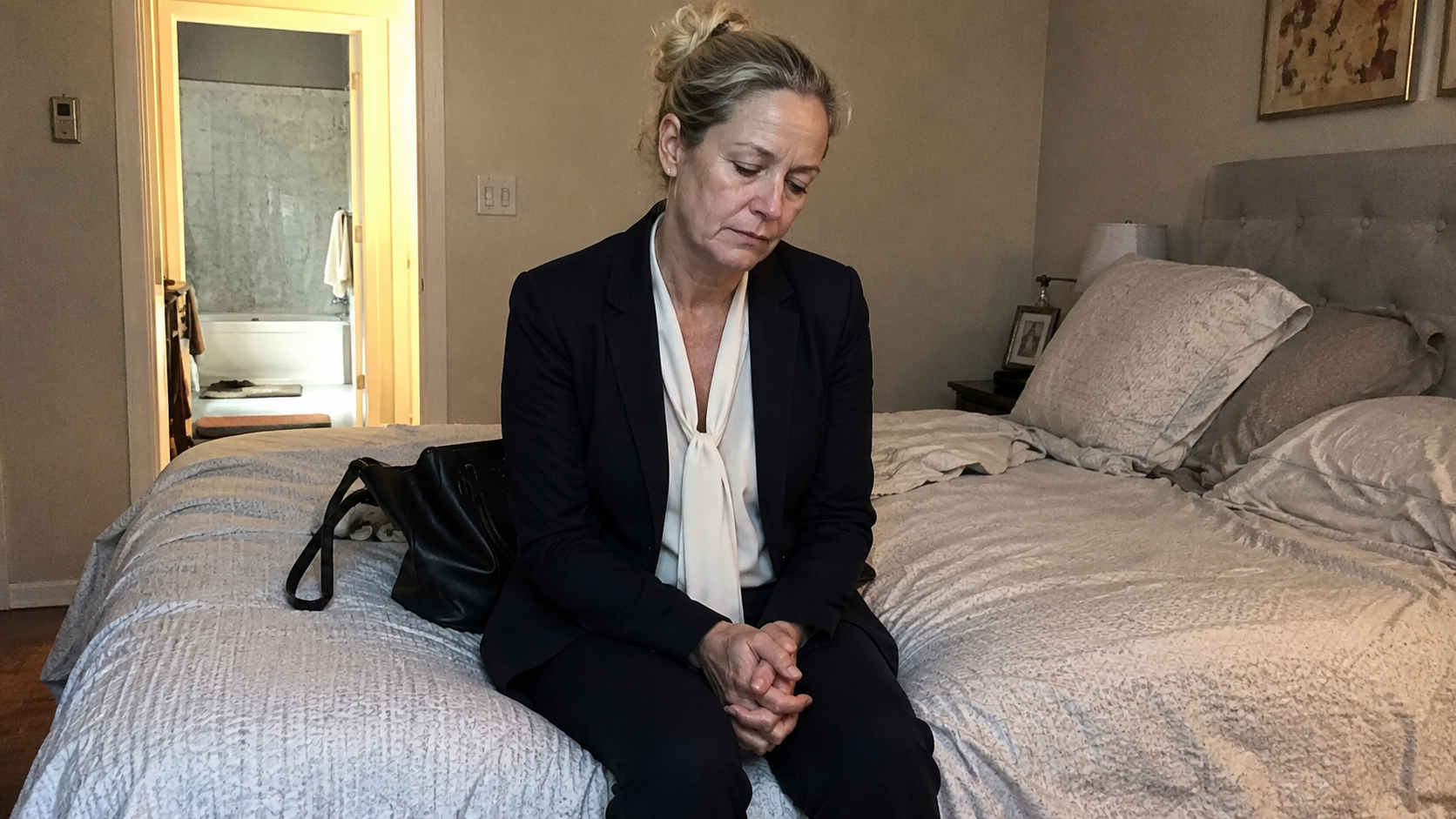
Why do I feel guilty resting even though I'm exhausted?
Because your worth has been tied to your output for so long. You were praised for your best performance. So when you stop performing, even to breathe, you feel like you are failing. The guilt is the alarm system of a belief that says: I am only as valuable as what I produce for others. That belief got you promoted, needed, indispensable. And now it is keeping you exhausted and resentful.
I said yes to the committee because who else would do it? I said yes to the extra project because it would "just take a minute." I said yes to the favor, the dinner, the volunteer shift, the quick question that turned into an hour-long conversation I did not have the time or energy for.
I said yes. And yes. And yes.
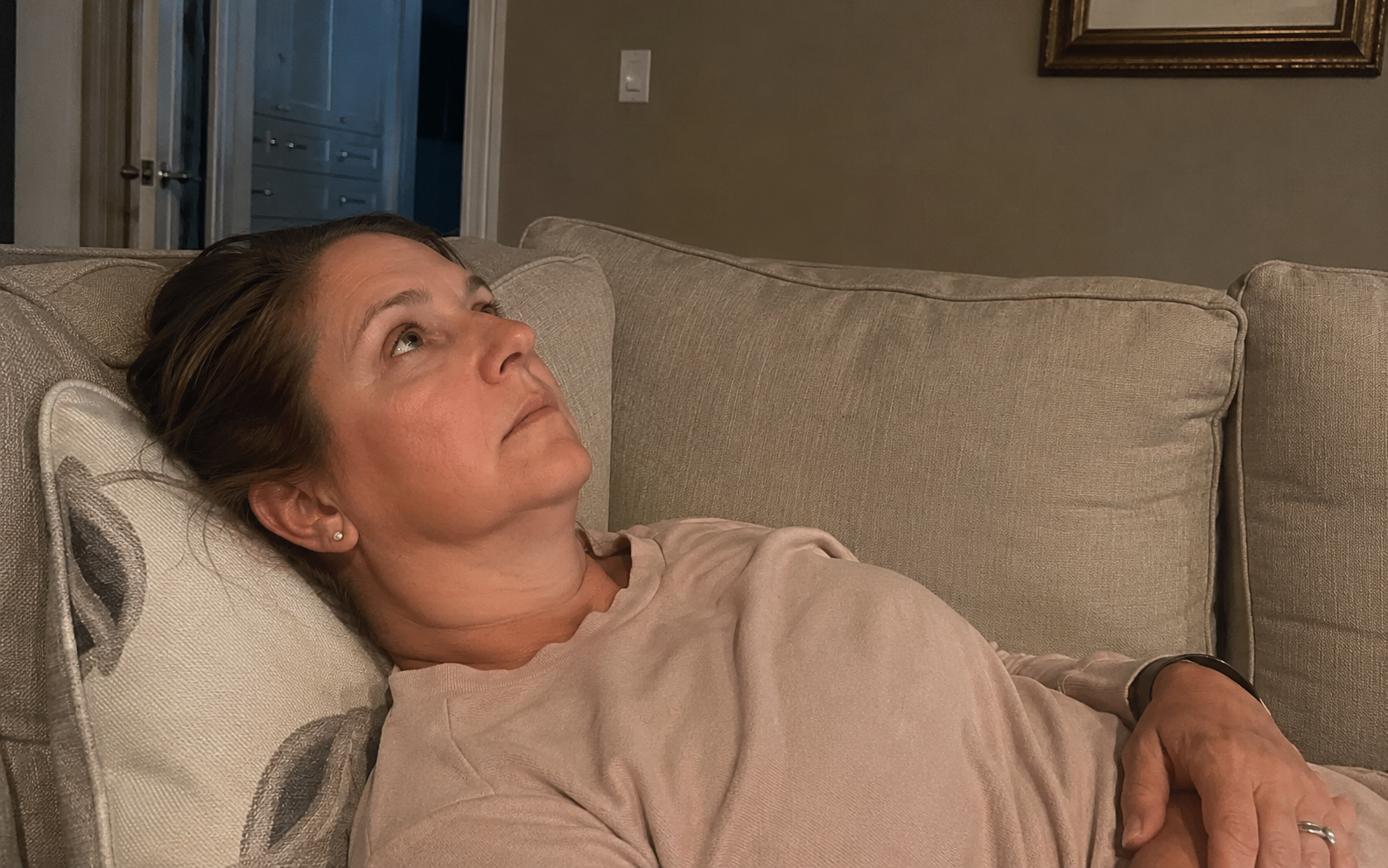
And when I finally laid down to rest for just a few minutes, I spent the entire hour mentally rehearsing my to-do list. I could not relax. I did not know how. The stillness felt dangerous, like someone would need me and I would not be there.
The guilt hit harder than the exhaustion. I should be grateful. Other people have it worse. Who am I to complain when I have so much? Sound familiar?
PEOPLE OFTEN ASK
“What is perfectionism burnout and how does it show up?”
Perfectionism burnout is the collapse that happens when the standards YOU set are impossible to sustain and your self-worth is pinned to meeting them anyway. It shows up as procrastination, over functioning, and chronic exhaustion that no amount of sleep fixes.
Signs of perfectionism burnout
- You procrastinate on things you used to do with ease, because starting means risking imperfection.
- You overfunction for everyone around you while your own needs go completely unmet.
- You are chronically exhausted in a way that sleep does not fix.
- Rest feels dangerous, like you are failing the moment you stop producing.
PEOPLE OFTEN ASK
Why do I say yes when I want to say no?
Because "no" feels like a threat to your safety. Somewhere along the way, childhood, corporate culture, gendered conditioning, you learned that being needed was being kind and generous. Saying no made you selfish. Being indispensable was being worthy. Saying yes got you praise. Saying no risked abandonment, conflict, or the terrifying possibility that you might not matter if you were not useful.
PEOPLE OFTEN ASK
What is burnout guilt and why does it feel worse than the exhaustion?
Burnout guilt is the voice that tells you rest is undeserved, that other people have it harder so you should just be thankful and keep pushing. It is the voice that turns self-care into another item on your to-do list, one you fail at, feel bad about, and then use as evidence that you cannot even relax right.
This guilt is insidious because it masquerades as gratitude. You can be grateful and still be depleted. You can have privilege and still need rest. The guilt serves only one purpose: it keeps you performing. It keeps you from stopping long enough to realize that the life you have built is running you into the ground.
PEOPLE OFTEN ASK
What does holistic coaching actually do for perfectionism and burnout guilt?
This is the question I get most often: "Lori, can I just read a book? Can I just use an app? Can I figure this out myself?" Maybe. Some people do. But if you are reading this, chances are you have tried. You have read the boundary books. You have downloaded the meditation apps. You have set the intention to say no more and then found yourself agreeing to something you did not want before you even realized what happened.
Why DIY fails for perfectionism and burnout guilt
- Cookie-cutter wellness tips do not fit your life.The article says "just say no" without addressing the terror that rises in your chest when you imagine disappointing someone. Generic advice ignores your specific history, your nervous system, your hidden beliefs.
- No accountability. You set a boundary, then crumble when someone pushes back. There is no one to call you on it, to remind you why you set it, to help you tolerate the discomfort.
- No pattern recognition. Your perfectionism is sneaky. It masquerades as competence, as care, as "just who I am." A book cannot see your specific flavor of self-abandonment. A coach can.
- No safe space to grieve.Letting go of "the one who handles it all" is an identity loss. You need someone who will not rush you through it.
- No permission to rest without earning it.A coach does not just tell you to rest. They help you believe you deserve it, even when you have not produced a single thing.
Here is what we actually do in coaching:
Dismantle limiting beliefs
The "shoulds." The "have tos." The hidden agreements you made with yourself at twelve or twenty-five. We trace where they came from, why they served you then, and why they are suffocating you now.
Establish boundaries that stick
Not just saying no, but learning to tolerate the aftermath. We practice the no. We rehearse the discomfort. We build the muscle until it feels less like dying and more like breathing.
Reconstruct identity
Who are you when you are not the capable one? That can be terrifying. And that is where freedom lives. We do not rush this.
Relearn rest as a requirement, not a reward
Not after the work is done. Now. When you need it. We build rituals that honor your nervous system, not another wellness trend that exhausts you trying to implement it.
Create a plan that fits YOUR life
Not the influencer's morning routine. YOUR schedule, YOUR energy, YOUR reality. Because advice that ignores your actual life is just another "should" to fail at.

TRY THIS WEEK
The "No Practice" for People-Pleasers Who Cannot Stop Saying Yes
Here is a boundary experiment. Small. Specific. Survivable.
Say no to ONE thing this week
Something small. A coffee you do not want, a favor you do not have capacity for, a quick call that will drain you.
Do not explain
"No, I can not." Period. The explanation is where your people-pleasing hijacks you.
Tolerate the discomfort
Your body will panic. Sit with it. Breathe. It passes. It always passes.
Notice what happens
Did the world end? Did you survive? Write it down. Evidence matters when your brain is lying to you.
Repeat
One no a week until it feels less like dying and more like freedom. Progress, not perfection. Even a faltering no counts.
What Happens When You Stop Being the One Who Handles It All
What it looked like for me
Grief. Always grief. I had to mourn the superwoman. She got me through a lot. She also cost me my health, my peace, and years of my life I cannot get back.
But on the other side of that grief? Freedom. Boundaries that stick because I believe I deserve them. Rest that restores. Relationships where people love me for who I am, not what I do for them.
FOR THE SKEPTICS
What if I'm just wired this way?
I hear this a lot. "Lori, I have always been like this. My mother was like this. My grandmother was like this. It is just who I am." Maybe. But it is still who you learned to be. Maybe it kept you safe in a family where love was conditional. Maybe it got you ahead in a corporate culture that rewarded sacrifice.
Even if it feels like it is "just who you are," you get to decide if it is still who you want to be. You get to ask: Is this pattern serving me now? Or is it costing me everything?
One conversation. 30 minutes of your time. You do not have to commit to coaching. You just have to show up and be honest about where you are. You walk away with at least one actionable step.
What is the worst that could happen? You spend half an hour talking about yourself with someone who actually listens.

If you are tired of being the only one who holds it all together, if you are ready to dismantle the perfectionism that is keeping you exhausted, guilty, and unable to receive I am here. Let us figure out what YOU actually need, beneath all the “shoulds”.
A free 30-minute wellbeing chat, no sales pitch, no obligation, just a genuine conversation about where you are and what you actually need. You've spent enough time running on empty.
Book Your Free Clarity Call Spots are limited. I work with a small number of women at a time.Full transparency
I am not a medical doctor or licensed therapist. What I share comes from my training in holistic coaching, Ayurveda, Reiki, and Primordial Sound Meditation, plus years of coaching women through this exact transition. If you are experiencing severe burnout symptoms, depression, or anxiety, please consult a qualified healthcare provider.